
The Art and Science of Traffic Light Timing
Discover how traffic lights subtly orchestrate urban rhythm, weaving efficiency and complexity into daily movement.

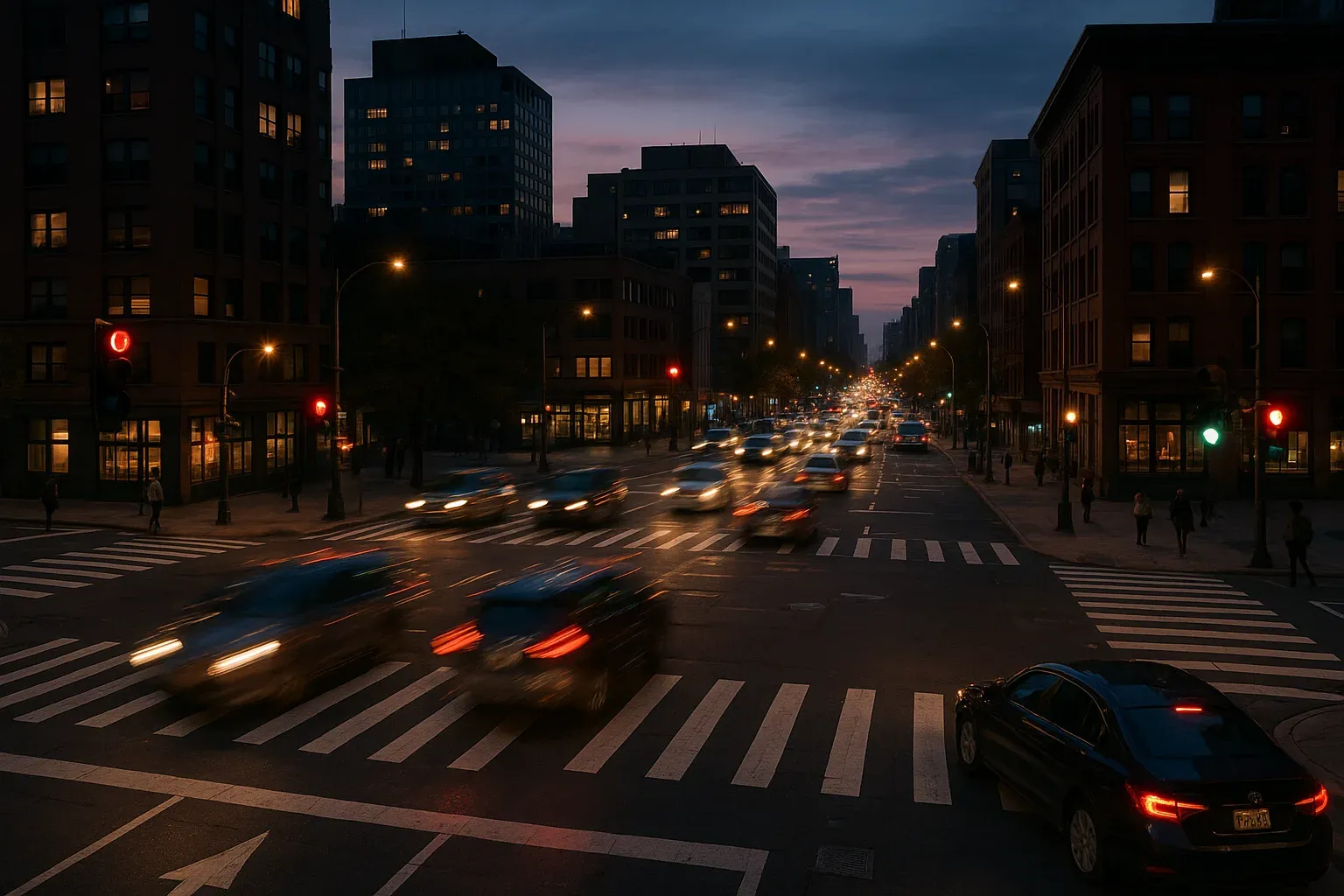
Orchestrating Urban Flow
Imagine you’re waiting at a bustling city intersection, watching the continuous dance of vehicles and pedestrians. The humble traffic light oversees this intricate choreography, timing every pause and proceed to a silent, unwavering rhythm. Its unassuming role masks a deeper complexity, revealing how technology and human behavior intertwine to shape urban life.
The Hidden Complexity
Traffic signals do more than just dictate when we stop or go; they manage an entire ecosystem of movement. Consider the intricate algorithms that adjust light timing based on real-time conditions. These controls, managed by city traffic management centers, analyze data from sensors embedded in roads, adapting to patterns and preventing gridlock. Yet, for the average city dweller, this sophisticated dance often goes unnoticed.
Adaptive Systems in Action
In cities like Los Angeles, intelligent traffic systems have improved commute times by dynamically adjusting signals in response to traffic patterns. These systems learn over time, becoming more effective at predicting and managing flow. The goal is not mere efficiency but creating a seamless urban experience where vehicles and pedestrians coalesce with minimal friction.
Reframing Urban Dynamics
What we often regard as mundane—waiting for a light to change—can be reframed as a microcosm of broader urban systems. Traffic lights demonstrate a harmonious blend of art and science, where calculated timing meets the unpredictable nature of human behavior. They are silent conductors in the symphony of city life, orchestrating the movements that power our daily routines.
Connecting Technology and Humanity
Traffic lights not only manage movement but also reflect our dependence on and interaction with technology. They exemplify how human development is inseparable from technological evolution, as our urban infrastructure grows increasingly intelligent. By observing this relationship, we learn to appreciate the subtle nuances of how technology shapes our environments.
A Refined Perspective
Next time you find yourself at a red light, consider the unseen systems at play. These signals represent more than mere convenience; they embody the quiet complexity that underpins our urban experience. By observing such everyday technologies, we can gain insight into how human ingenuity manifests in the architecture of modern life. In doing so, we are invited to see the world not just as a collection of discrete systems, but as a vibrant, interconnected fabric.