
The Virtual Reality of Memory: How Google Maps Reshapes Nostalgia
Digital mapping not only guides us but also transforms our recollections and connections to places.

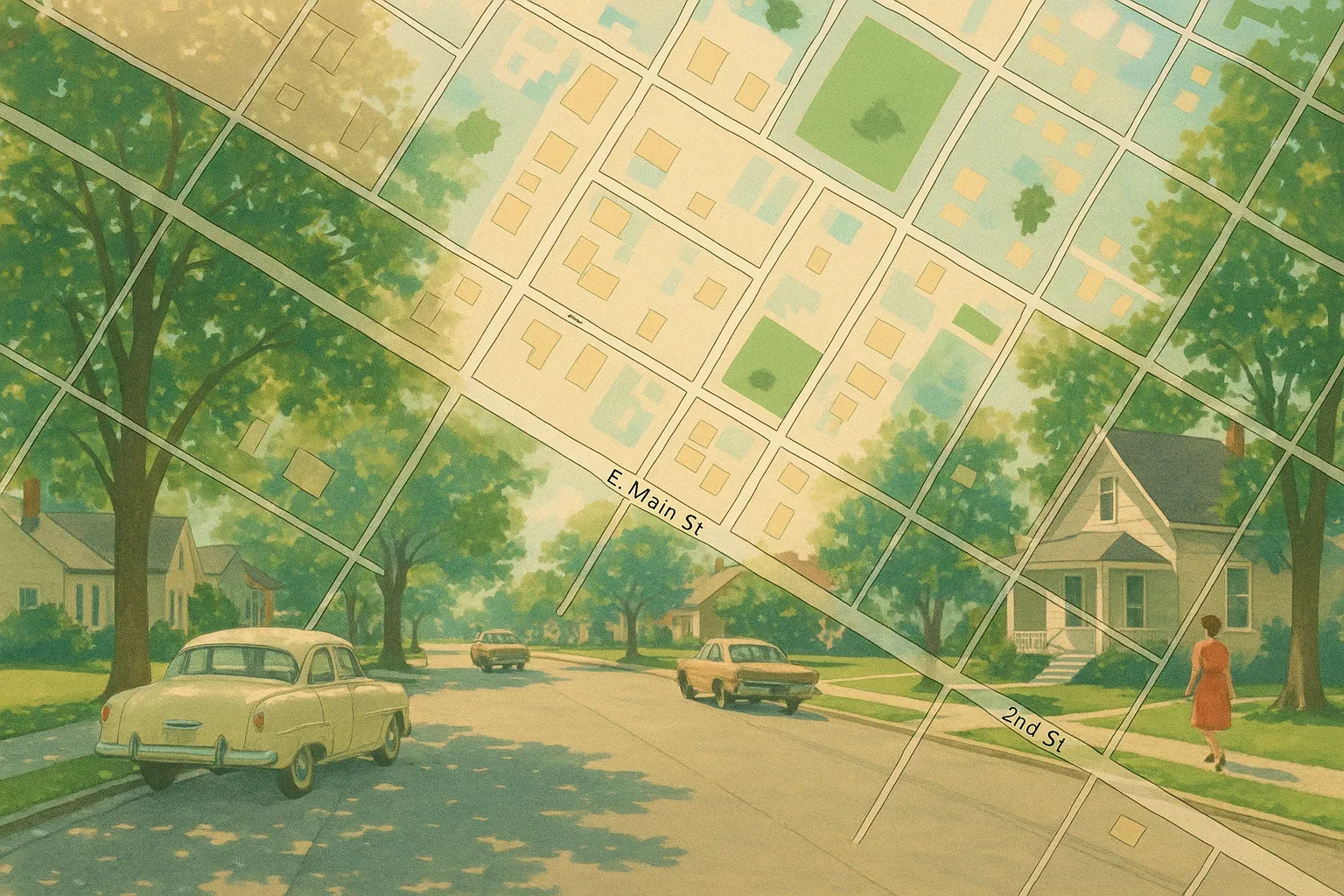
Revisiting Childhood from Your Phone
Scrolling through Google Maps, you pause over the image of an old neighborhood. It's more than a street; it's a repository of memories. The front yard where you played, the corner store that no longer exists. With a swipe, these moments emerge from the past and into the digital present. What would have once required a physical journey is now accomplished with a finger's drag.
A New Cartography of Memory
Digital mapping tools like Google Maps are more than navigational aids. They are becoming cognitive maps that link geography with memory. In the past, revisiting memories required returning to those physical spaces. But today, images and virtual tours bring the distant near, fostering a new kind of nostalgia—one where the physical and digital intersect seamlessly.
Google Maps: A Modern Archive
Consider the integration of Street View. With each update capturing anew the evolving topography, Google Maps serves a dual purpose: navigating spaces and recording change over time. This tool is a personal archive for millions. A street corner transformed or a new building erected tells not just of urban development, but of personal histories recontextualized within them.
Reframing Nostalgia in the Digital Age
Traditionally, nostalgia draws us to return not just to places but to times. Google Maps subtly reshapes this by making time travel digital. The ability to scroll through different Street View timelines offers a glimpse into both past and present simultaneously. Nostalgia here is not a longing to return but an invitation to reconceive place in evolving contexts.
Impact on Human Cognition and Connection
This evolution in digital memory tools transforms more than personal nostalgia. It alters communal memory, reshaping how societies connect to place and identity. When cultural landmarks evolve or vanish, they can be rediscovered in the digital shadow left behind. The implications are profound for how communities remember, define themselves, and forward a narrative that acknowledges its dynamic foundation.
Rediscovering the Familiar
Google Maps presents a paradox: revealing a path to closeness even as physical distances remain. People are tethered more strongly to their pasts and communities, despite geographical separation. This re-imagined connection challenges the notion that moving away severs ties. The digital sphere becomes a bridge, drawing people closer to places they love, irrespective of physical presence.
Wider Implications of Digital Nostalgia
The role of tools like Google Maps in defining nostalgia suggests new layers of human experience. What once seemed ephemeral—the memory of a street now eerily silent or alive with past echoes—remains eternally accessible. These intersections blur lines between technology and our human need for a tangible past. As we navigate this landscape, our sense of identity continues to evolve, asking us to reconsider where memory truly resides.