
Solar Clocks: Timekeeping Beyond the Conventional
Exploring how solar clocks synchronize with nature, offering a new perspective on timekeeping and human connection to the environment.

A Glimpse into Solar Timekeeping
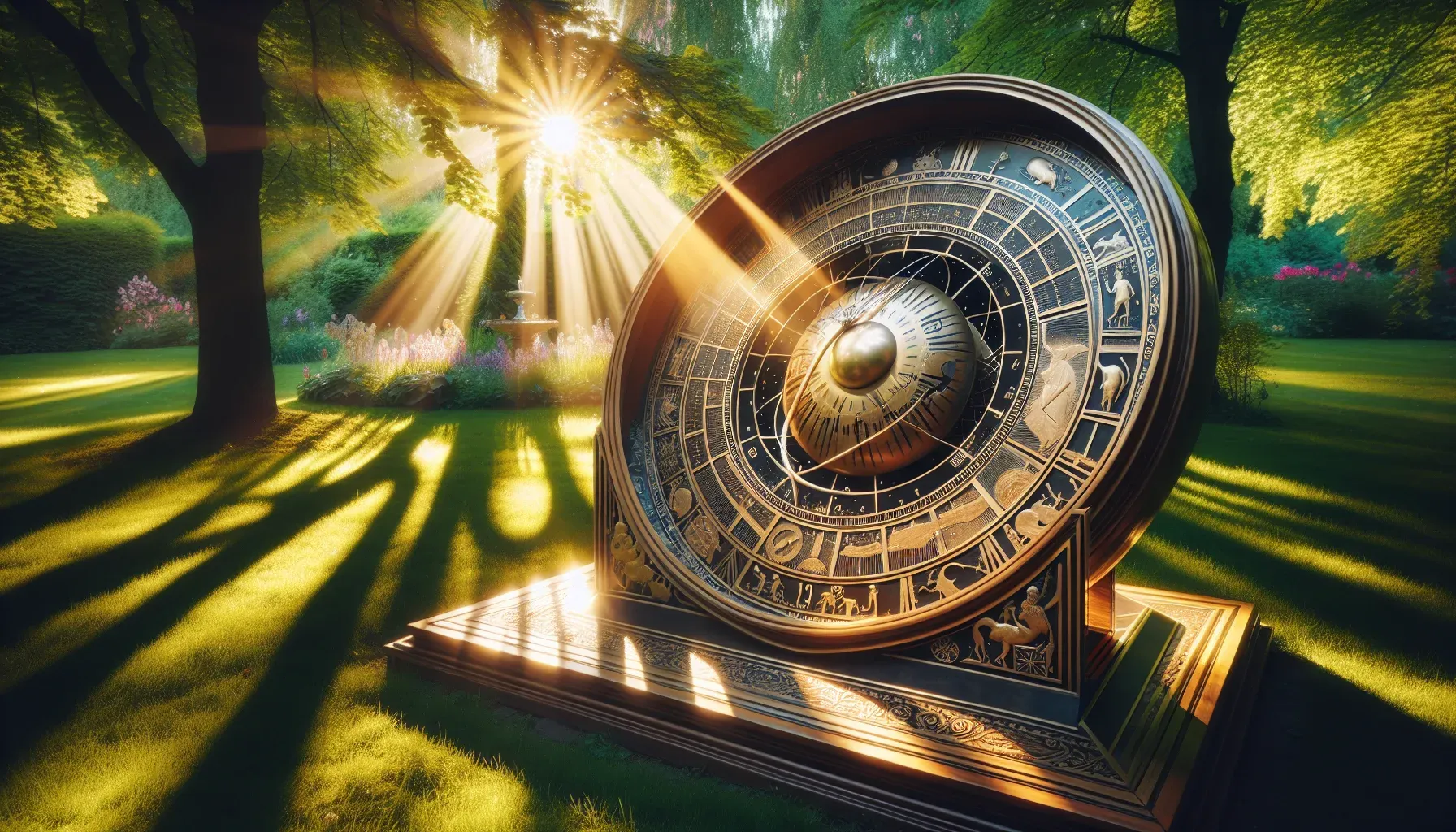
At the entrance of a small public park, a peculiar monument draws the curious gaze of passersby: a solar clock. Rather than the usual mechanical hands or digital displays, it harnesses the sun's position to mark time. While its elegant design may seem ornamental, beneath the surface lies a profound alignment with nature’s rhythms. In a world dominated by electronic precision, this simple device reconnects us to the cosmic dance of the Earth and Sun.
A Modern Example: The Analemma Projects
The Analemma clock stands as a modern embodiment of solar timekeeping principles. Installed atop a sprawling urban rooftop, it uses a sun-tracking heliostat to reflect sunlight through a narrow aperture, creating an image of the sun's path over the day. Visitors observe the luminous path the sun sketches across the surface, enchanting with its blend of art and science. Unlike conventional clocks that rigidly tick away seconds, the Analemma clock emphasizes our dynamic relationship with the celestial bodies—an ever-changing dance that can be traced and visualized.
Reframing Our Relationship with Time
While traditional timekeeping systems focus on precision and compartmentalization, solar clocks invite a subtle yet profound reframing: viewing time not as a constraint but as a flow. By aligning with the sun, these devices encourage us to see ourselves as part of a broader ecosystem. This challenges the conventional view of time as merely hours and minutes, replacing it with the concept of natural cycles and celestial harmony.
Human Development and Technological Evolution
Throughout history, humanity's technological advancements have often shifted our connection with nature. The advent of mechanical clocks represented a move towards abstract timekeeping, detaching human activities from the day-night cycle. Solar clocks, by contrast, bridge this gap by integrating modern innovation with ancient wisdom. As renewable technology reshapes energy production, solar timekeeping can similarly reshape how we perceive and interact with time, reminding us of our place within the natural order.
Broader Insights into Time and Technology
Solar clocks present more than just an alternative way to keep time; they offer a lens through which to reconsider our technological evolution. In an era of rapid progress, they remind us to balance innovation with ecological mindfulness. Time, when viewed through the lens of solar clocks, becomes an invitation to synchronize with nature's cadence rather than resist it.
Ultimately, by observing the subtle interplay between the sun and these timekeeping instruments, we find lessons that extend beyond technology. We uncover ways to integrate our fast-paced lives with the enduring rhythms of the planet, fostering a future where technology and nature coexist harmoniously.