
Urban Acupuncture: Subtle Touches with Powerful Ripples
Explore how minor urban tweaks can create significant impacts, enhancing city life subtly yet profoundly.

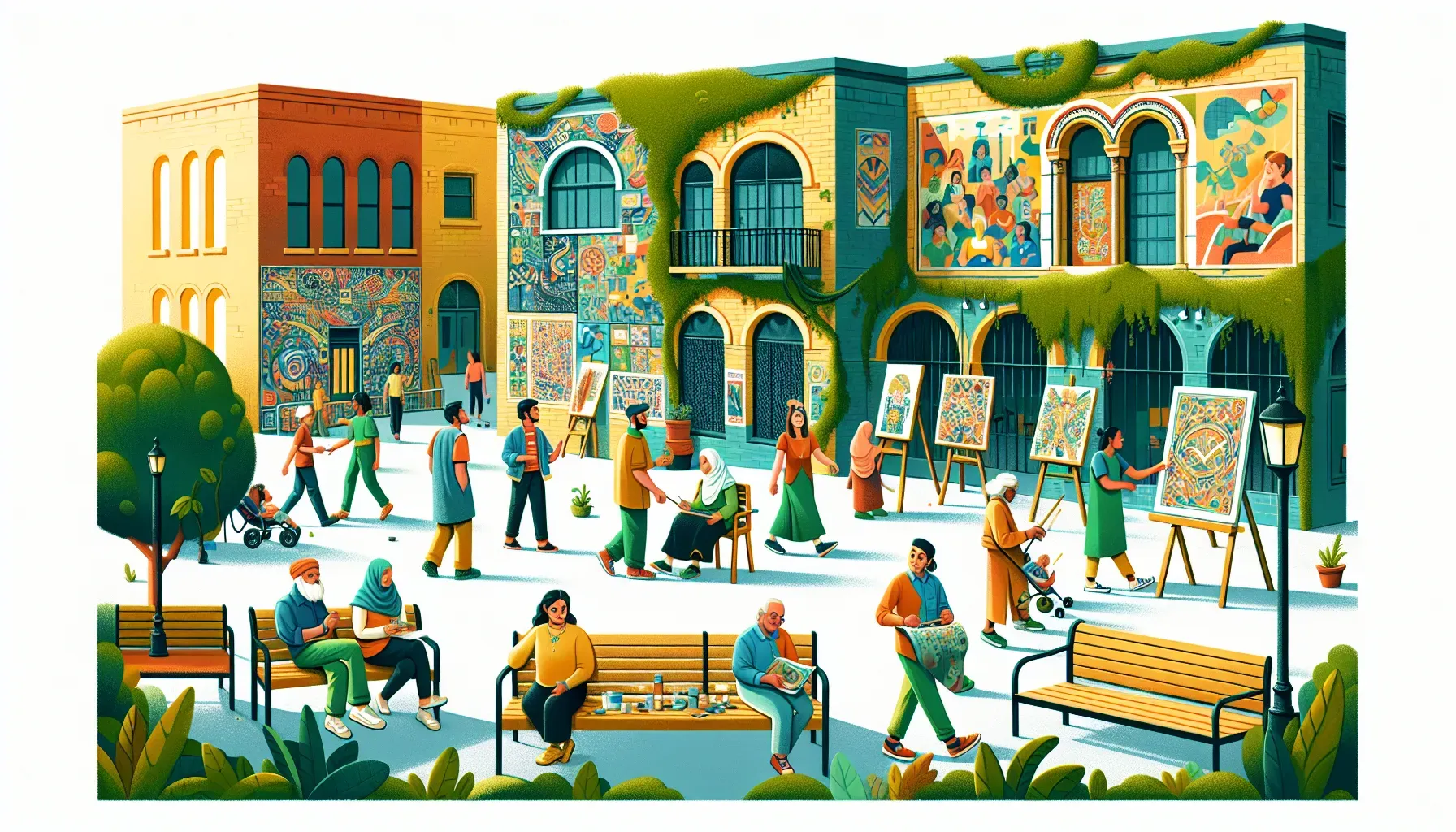
Capturing Urban Pulse with Subtle Strokes
While strolling through a revitalized alleyway in San Francisco's Mission District, one may notice not just fresh murals brightening facades but also new benches strategically placed under swathes of ivy-laden trellises. This reimagined urban corridor has become an unexpected social hub, attracting artists, coffee drinkers, and curious wanderers. Such small, intentional modifications manifest the concept of urban acupuncture, transforming minute physical spaces to effect substantial communal change.
A Case of Minimalism Meeting Impact
Urban acupuncture, much like its traditional healing counterpart, involves pinpointed interventions aimed at reinvigorating a community's life force. Rather than sweeping redevelopment projects, it focuses on making radical impact through minor adjustments.
A striking modern example is New York City's High Line. Originally an elevated freight rail line, it has been repurposed into a linear park and walkway. This sliver of green space, nestled among soaring urban fabric, has not only revitalized the surrounding areas but also spurred economic activity, art exhibits, and social interactions—all without the heavy-handed footprint typical of large-scale urban projects.
The Subtle Power of Reframing
Urban acupuncture thrives on a subtle yet powerful reframe: seeing cities as living organisms that thrive on distributed and nuanced care rather than monolithic overhauls. It toggles the mindset from seeking control, to fostering an ecological circuit of revitalization.
This perspective resonates with technological advancements in how we manage urban spaces. Smart city technologies, for instance, utilize data to identify precise intervention points for energy efficiency, traffic management, and public safety, blending seamlessly with the notion of focused ameliorations rather than disruptive upheavals.
Cities as Interconnected Tapestries
Reframing urban development through micro-interventions invites a granular, mindful application of resources, allowing city planners to embrace an ecosystem approach. In Singapore, the idea of park connectors integrates green pathways throughout urban settings, encouraging ecological biodiversity while promoting community wellness. Each connector, though minor in scale, works in tandem with larger city frameworks, fostering a harmonious urban mosaic.
Human Touch in the Technological Fabric
The beauty of urban acupuncture lies in merging the human and technological elements. These interventions rely not just on data and physical manipulation of space, but also on community engagement and cultural sensitivity. The ripple effects they generate underscore a profound understanding of human development intertwined with city landscapes.
In the end, envisioning cities through this lens uncovers an intricate pattern of connectivity, where well-intentioned, small-scale actions unlock transformative communal energy. Urban acupuncture speaks to an innate desire to improve human habitats, celebrating subtlety in the art of city crafting.
Expanding the Horizon of Urban Imagination
By the act of elevating alleys to social corridors or repurposing forgotten infrastructures, urban acupuncture is not merely reshaping spaces but is also subtly tuning the human experience. In recognizing these fragments of urban life as elements within a larger ecosystem, we sharpen our collective focus on harmony and sustainability. This, indeed, turns everyday urban traversals into opportunities for connection, creativity, and resilience.