The E-ink Evolution: More Than Just a Screen
Exploring how e-ink technology offers sustainability and minimalist design advantages, reshaping our interaction with digital displays.

The Quiet Allure of E-ink
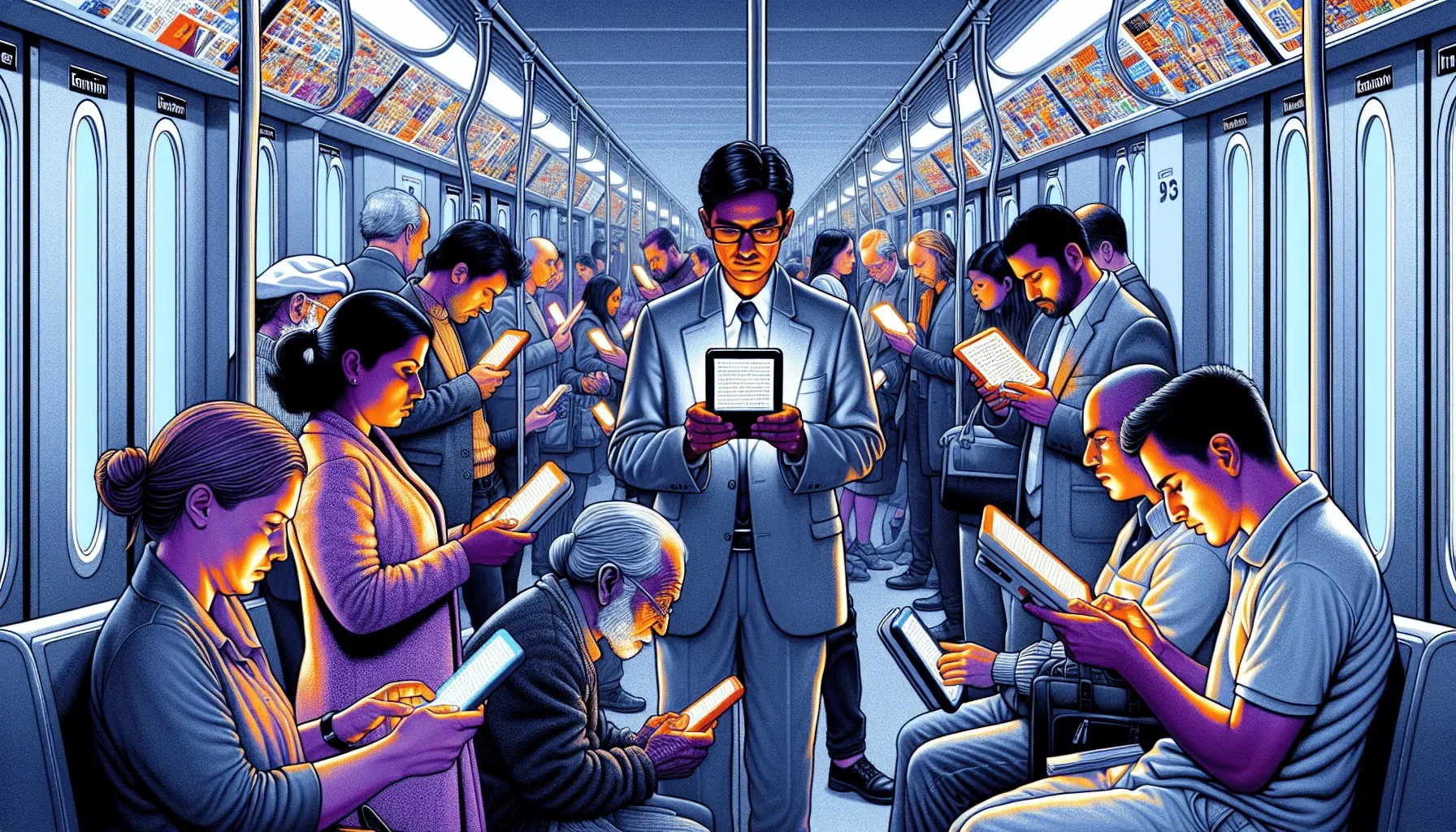
Imagine sitting on a bustling subway, surrounded by glaring screens of smartphones and tablets exuding vibrant colors. Amid this digital cacophony, your eyes rest on someone reading from an e-ink reader. Its matte surface, reminiscent of ink on paper, reflects the ambient light with a gentle ease, offering a serene contrast to its flashy counterparts. This isn't just a moment of visual relief, but a manifestation of a broader ethos.
Simplicity in Design
E-ink technology, although technologically less complex than high-resolution LCD and OLED displays, brings forth a simplicity that appeals to both the eyes and the mind. Devices like the Kindle have harnessed this technology, providing a focused reading experience without the distractions typical of most digital devices. The minimalist nature of e-ink screens insists on doing less to achieve more. By avoiding the allure of pop-up notifications and infinite scrolls, e-ink devices subtly champion the principles of intentionality and purpose.
A Modern Example: The ReMarkable Tablet
Consider the ReMarkable tablet, an e-ink device that entered a market dominated by multifaceted tablets. By stripping down functionalities to focus on note-taking and reading, it makes a compelling case for design where form follows function. Here, the e-ink evolution is not merely about display performance; it's interwoven with a resistance against digital excess. The device becomes an interface not just for information consumption, but for knowledge creation, encouraging users to slow down and engage deeply.
Reframing Technological Progress
In the broader technological landscape, progress is often viewed through increased capabilities and brighter displays. However, e-ink invites us to consider sustainability as a metric of innovation. These screens require significantly less power, often lasting weeks on a single charge. This energy efficiency highlights a pathway toward a more sustainable technological environment. By valuing longevity and low energy consumption, we begin to question if brighter and faster always equates to better.
Connecting Technology with Human Needs
The integration of technology has often been about speed and capability, creating an ever-accelerating digital experience. E-ink, however, aligns more harmoniously with our cognitive rhythms, mimicking the tactile and visual simplicity of paper. In doing so, it reduces eye strain and mental fatigue, respecting the limits of the human body and mind. These interfaces are not just about tethering us to digital worlds, but enriching our existing reality.
A Broader Insight into Design Philosophy
Ultimately, e-ink technology presents a vital counter-narrative in our digital evolution. It reminds us that technology can enhance human experiences by embracing the principles of simplicity and sustainability, rather than merely surpassing previous capabilities. As we increasingly demand more from our devices, e-ink postulates a future where technology respects human limitations while fostering a deeper connection with its users.