Emergent Narratives: How AI is Crafting New Mythologies
Discover how emerging AI-driven narratives are reshaping human storytelling and myth-making in unexpected ways.

The Dawn of Digital Myths
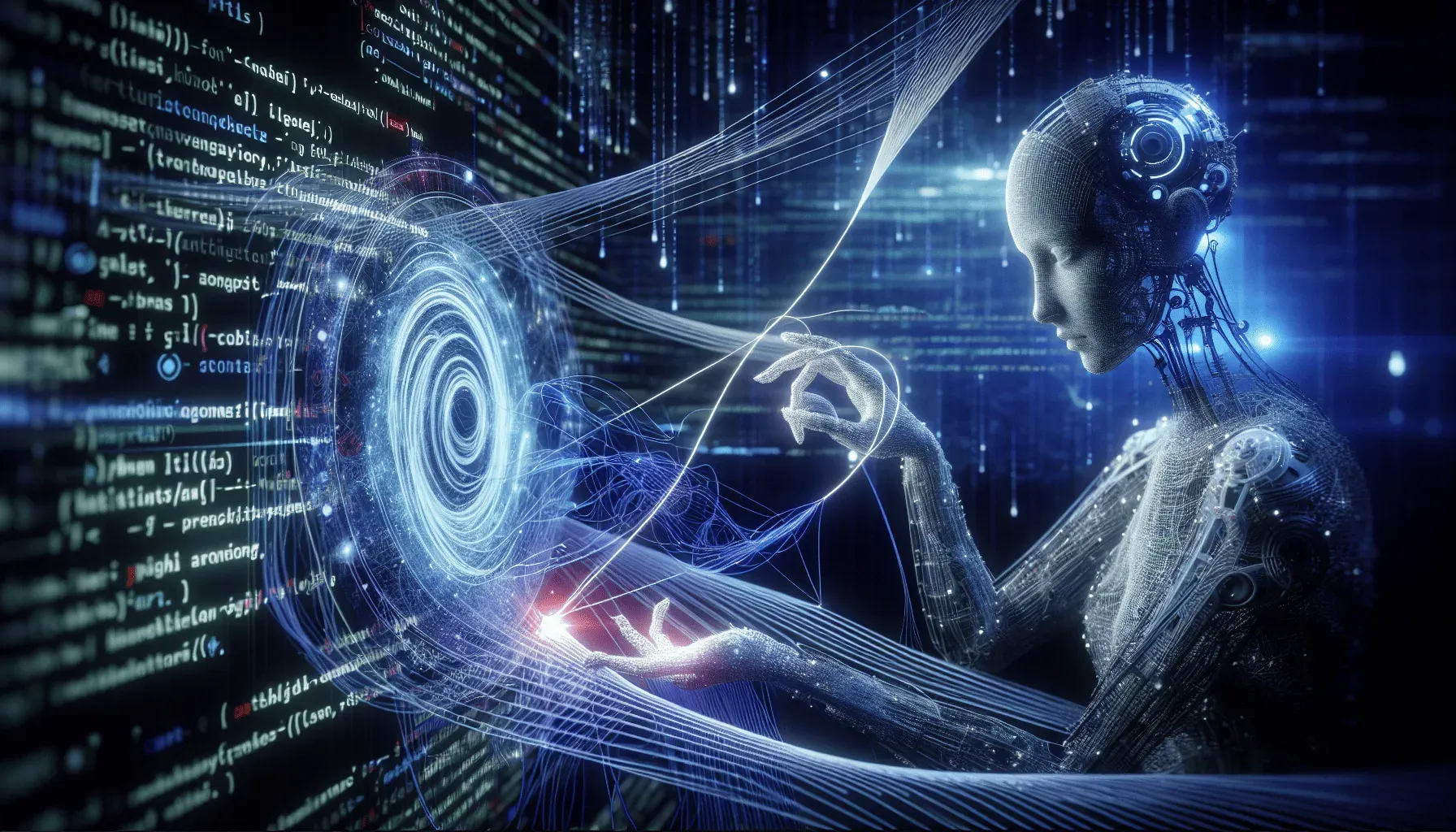
In a bustling subway station, a digital billboard plays a short film generated entirely by artificial intelligence. Passersby pause, captivated not only by the story but by the raw creativity emanating from a non-human creator. This moment, easily overlooked, symbolizes a tectonic shift in storytelling. At the intersection of artificial intelligence and human narrative, new mythologies begin to emerge.
Technology's Narrative Fabric
Artificial intelligence, once confined to data analysis and task automation, now ventures into the realm of creativity. Modern generative systems compose images, write poetry, and construct layered narratives by learning patterns from vast digital archives. The stories they produce feel strangely intimate, even though they originate from systems that have never lived a human life.
Why do these tales resonate so deeply? In part because they follow structures familiar to us, archetypal journeys, conflicts, and transformations, yet rearranged in unexpected ways. The result is storytelling that feels both recognizable and slightly alien.
AI as the New Myth-Maker
The digital sphere can be imagined as a kind of modern primordial soup, where algorithms absorb motifs from countless cultures and eras. By analyzing patterns across literature, folklore, and media, AI models can recombine archetypes such as heroes, monsters, quests, and moral dilemmas into entirely new configurations.
In this sense, AI storytelling resembles the evolution of traditional myths. For centuries, stories changed as they passed between cultures and generations, accumulating variations along the way. Today, generative systems accelerate this process, weaving new narratives from humanity’s immense cultural archive.
Reframing the Narrative Landscape
What is quietly unfolding is a shift in authorship itself. Stories are no longer bound strictly to a single creator’s perspective. Instead, they can emerge from collaborative ecosystems where humans guide, prompt, and refine ideas generated by machines.
This form of polyvocal storytelling reflects a move from solitary authorship toward creative dialogue. AI does not replace the storyteller. Rather, it acts as a catalyst, amplifying patterns, suggesting possibilities, and blending influences in ways that mirror our interconnected digital world.
Humanity's Digital Echo
The rise of AI-driven storytelling suggests that our technological creations are not merely tools but reflections. Trained on humanity’s collective output, our books, myths, and conversations, these systems echo the themes that preoccupy us. Identity, fear, wonder, and transformation appear again and again.
In that sense, the stories generated by machines remain deeply human. They are shaped by the cultural material we have produced over centuries, refracted through computational processes that reveal surprising new combinations.
A World of Infinite Stories
As humanity steps into this emerging era of myth-making, AI becomes part of our evolving narrative ecosystem. Machine-generated stories offer unfamiliar perspectives on familiar dilemmas, ambitions, and dreams.
By interacting with these narratives, editing them, expanding them, or responding to them, we participate in a broader creative conversation. Storytelling becomes less a static artifact and more a living process unfolding across human and digital collaborators.
Mythologies of the Future
Ultimately, AI contributes to the creation of new mythologies, not as a substitute for human creativity but as its extension. It expands the terrain of storytelling and enables experiments in form, perspective, and scale that were once unimaginable.
In this evolving landscape, human experience intertwines with artificial imagination. The result is a vibrant tapestry of narratives, stories that reflect our past, reinterpret our present, and hint at futures still waiting to be told.