
Password Paradox: The Psychology Behind Our Digital Keys
Explore the hidden psychological patterns in our password choices and how they illuminate our digital behaviors.

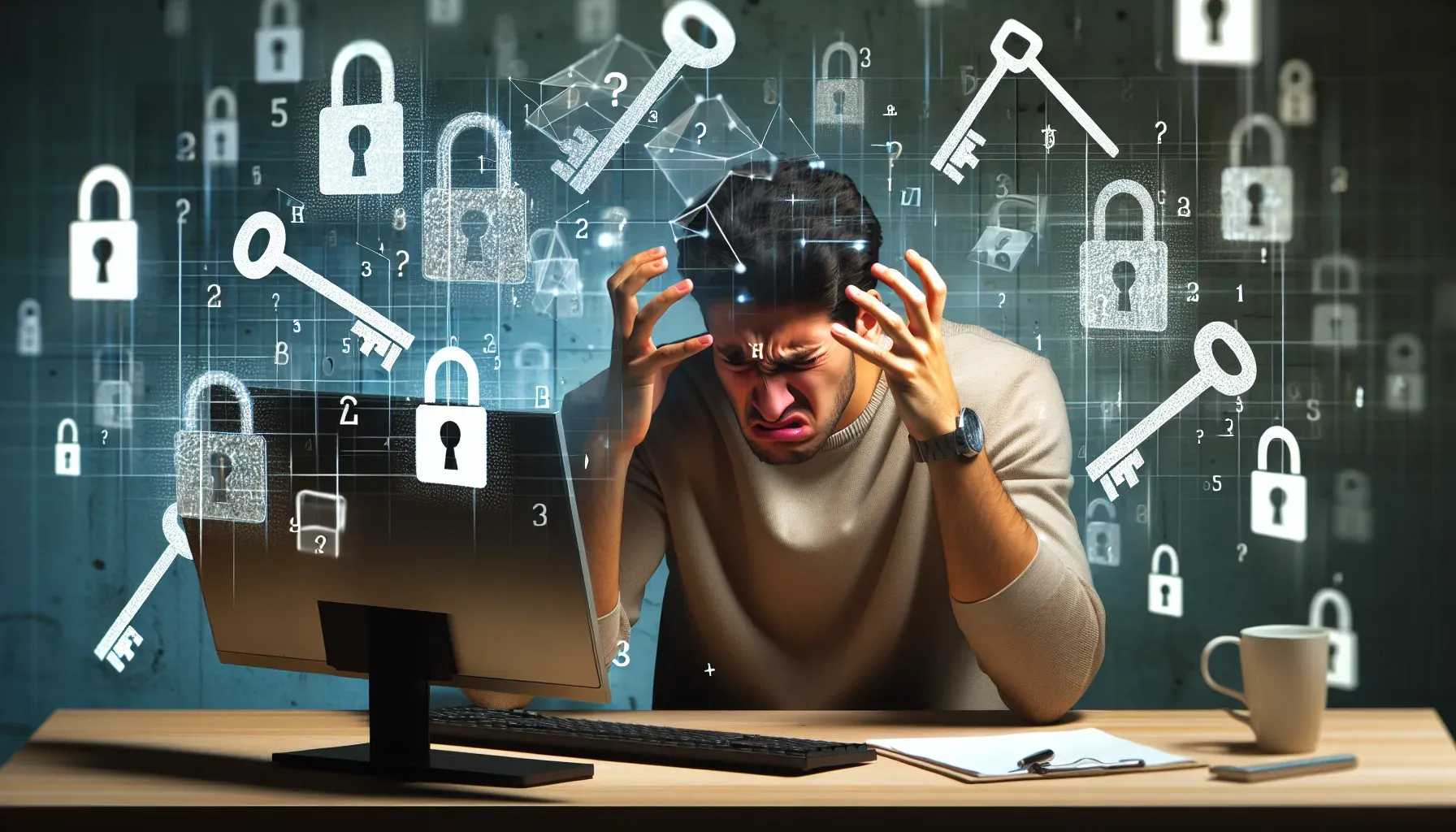
The Morning Ritual
With morning coffee brewing, Sarah peered over her laptop, clicking 'Forgot Password' yet again. The familiar dance commenced, a ritual many perform daily. In this simple, frustrating moment, a trail of forgotten, mismatched, and overly simplistic passwords revealed a deeper truth about human nature.
The Familiar Choice
When asked to create a password, many of us resort to using variations of 'password123' or our pet’s name followed by a few random numbers. This behavior illustrates a core paradox: while aware of the need for security, convenience and familiarity often win. A study by the UK's National Cyber Security Centre found '123456' as one of the most common passwords. The preference for predictability underscores how our cognitive shortcuts are often at odds with our safety. But why?
Patterns of Predictability
At an underlying level, the choices reflect our natural impulse to inject personal meaning into the digital realm. Just as a keychain might hold charms that reflect one's identity, so do passwords carry fragments of personal history. They represent a curious blend of security necessity and an autobiographical sketch.
Passwords as Cognitive Artifacts
Consider the world of password managers like LastPass or 1Password. These tools illustrate a shift in our approach to digital security; an admission that our human limitations necessitate digital assistance. By automating complexity, we relinquish the task of memory recall to technology, emphasizing the evolving partnership between human cognition and machine capability.
Reframing the Digital Key
We often regard passwords as mere obstacles or keys, but consider them as reflections of our cognitive mapping. They are a testament to our need for order amidst chaos, a way to make sense of the vast digital landscape. This reframing suggests we view them less as burdens, but more as artifacts of our digital identity.
Beyond the Password
Reflecting on our digital keys reveals more than just security habits. It uncovers the intersection where human psychology meets technology. As biometrics and two-factor authentication become increasingly prevalent, they signal a future where our physical selves may blend further with digital frameworks.
The password paradox is more than a security concern; it's a mirror reflecting our adaptability, creativity, and inherent desire for simplicity. By examining our digital keys, we gain insight into how deeply technology has intertwined with our human development, subtly shaping our cognitive and technological evolution.