
Curating Your Micro-Museum: A Personal Shelf of Discovery
Explore how curating a micro-collection can transform your thinking and creativity.

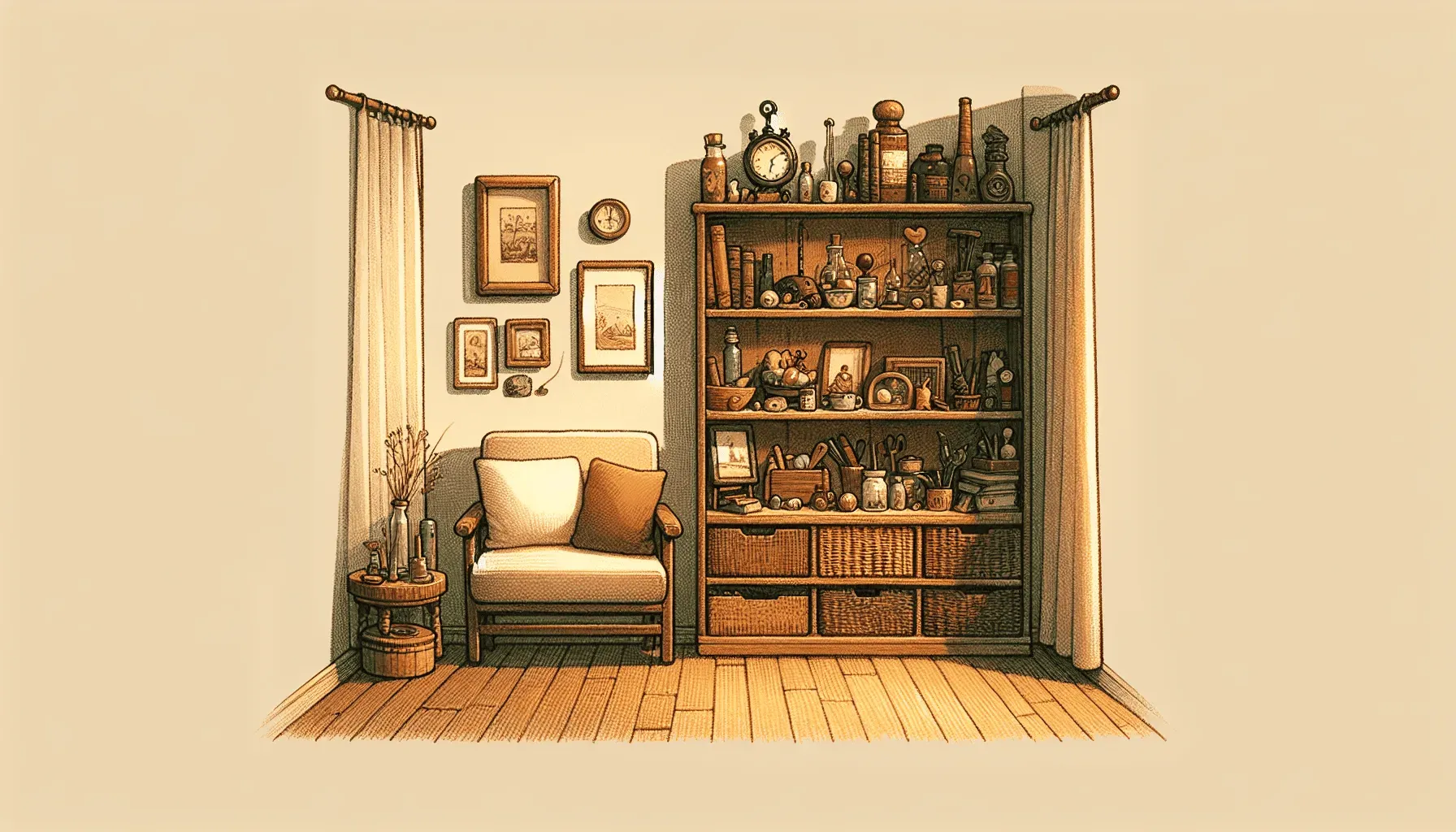
There is a shelf in my office that holds seven objects. Nothing on it is expensive. Nothing on it is particularly rare. But each item earned its place.
A small brass compass. A worn paperback on systems theory. A mechanical keyboard switch mounted in clear resin. A smooth stone picked up during a long walk. An old fountain pen that leaks slightly but writes beautifully.
The shelf is not decorative.
It is a compressed map of interests.
We tend to think of curation as aesthetic arrangement. But curation is a form of structured thinking. When space is limited, selection becomes deliberate. And deliberate selection reveals hierarchy.
Constraint as Cognitive Tool
A large collection can hide indecision. A small one exposes it.
When you decide that only eight objects may live on a single shelf, you are forced to confront value. What represents the pattern you care about? What earns symbolic weight? What is removed?
Constraint sharpens structure.
The same principle appears in digital environments. A carefully designed dashboard surfaces only a few metrics. A well structured knowledge base favors clear tags over sprawling folders. The most effective note taking systems are not the ones that store everything, but the ones that clarify relationships.
A micro collection works the same way. It compresses complexity into visible form.
Objects as Compressed Ideas
Consider a vintage typewriter sitting on that shelf.
It is not merely a machine. It is a record of mechanical problem solving. It reflects a moment when human thought had to be translated into physical imprint through levers and force. The resistance of its keys encodes design decisions about ergonomics, durability, and feedback.
To keep it visible is to keep that lineage visible.
The shelf becomes a physical index of intellectual inheritance.
Each object functions as a compressed idea. It anchors abstraction in matter.
This is not nostalgia. It is structural memory.
Curation as Mental Training
We are trained to accumulate. Books, tabs, saved posts, unread newsletters. Accumulation feels productive because it increases volume.
Curation does the opposite. It reduces volume in order to increase coherence.
The subtle reframing is this: selecting what remains visible may matter more than storing what is accessible.
When you choose what sits on a shelf, or what lives on the first screen of your phone, you are designing your attentional landscape. You are shaping the stimuli that repeatedly enter awareness.
Over time, repeated exposure shapes thinking.
A visible book invites rereading. A visible tool invites experimentation. A visible artifact invites interpretation.
In that sense, a micro collection becomes a cognitive environment.
Digital and Physical Layers
Digital platforms have made curation frictionless. Pinterest boards, saved collections, personal databases. These systems allow thousands of references to be stored and tagged.
But abundance weakens signal.
The physical shelf resists abundance. It enforces friction. It forces the hand to choose.
This tactile constraint is not a limitation. It is a filter.
A single object held in the hand carries weight, texture, and scale. It occupies space in a way that a thumbnail image cannot. That physical presence reinforces significance.
The digital archive may hold the library. The shelf holds the thesis.
Identity as Designed Surface
Over time, patterns emerge.
You begin to notice that the objects share characteristics. Similar materials. Recurring themes. Certain eras. Certain disciplines. The shelf quietly reveals the architecture of your interests.
It becomes a visible trace of intellectual identity.
This is not self-expression in the performative sense. It is self clarification.
By limiting what remains in view, you clarify what continues to matter.
And that clarity influences what you pursue next.
A Refined Way of Seeing
A single shelf may appear modest. But it represents layered decisions about value, memory, and direction.
Curation at small scale is not about decoration. It is about environmental design.
The objects we allow to remain visible shape attention. Attention shapes thought. Thought shapes trajectory.
The shelf is not merely a collection.
It is a controlled interface between you and your future interests.
And once you begin to see physical space as cognitive architecture, it becomes difficult to treat it casually.
What remains in view is rarely accidental.
It is structural.